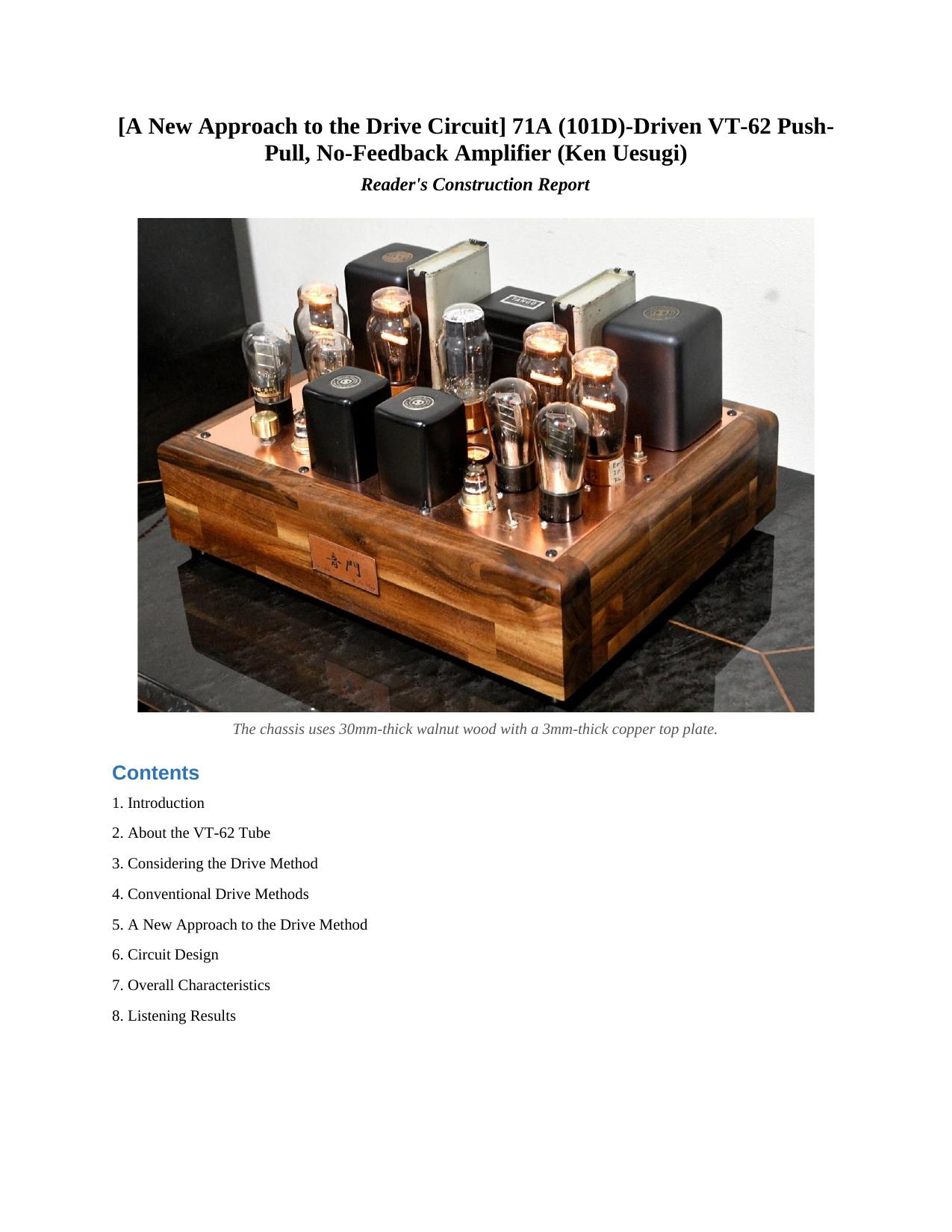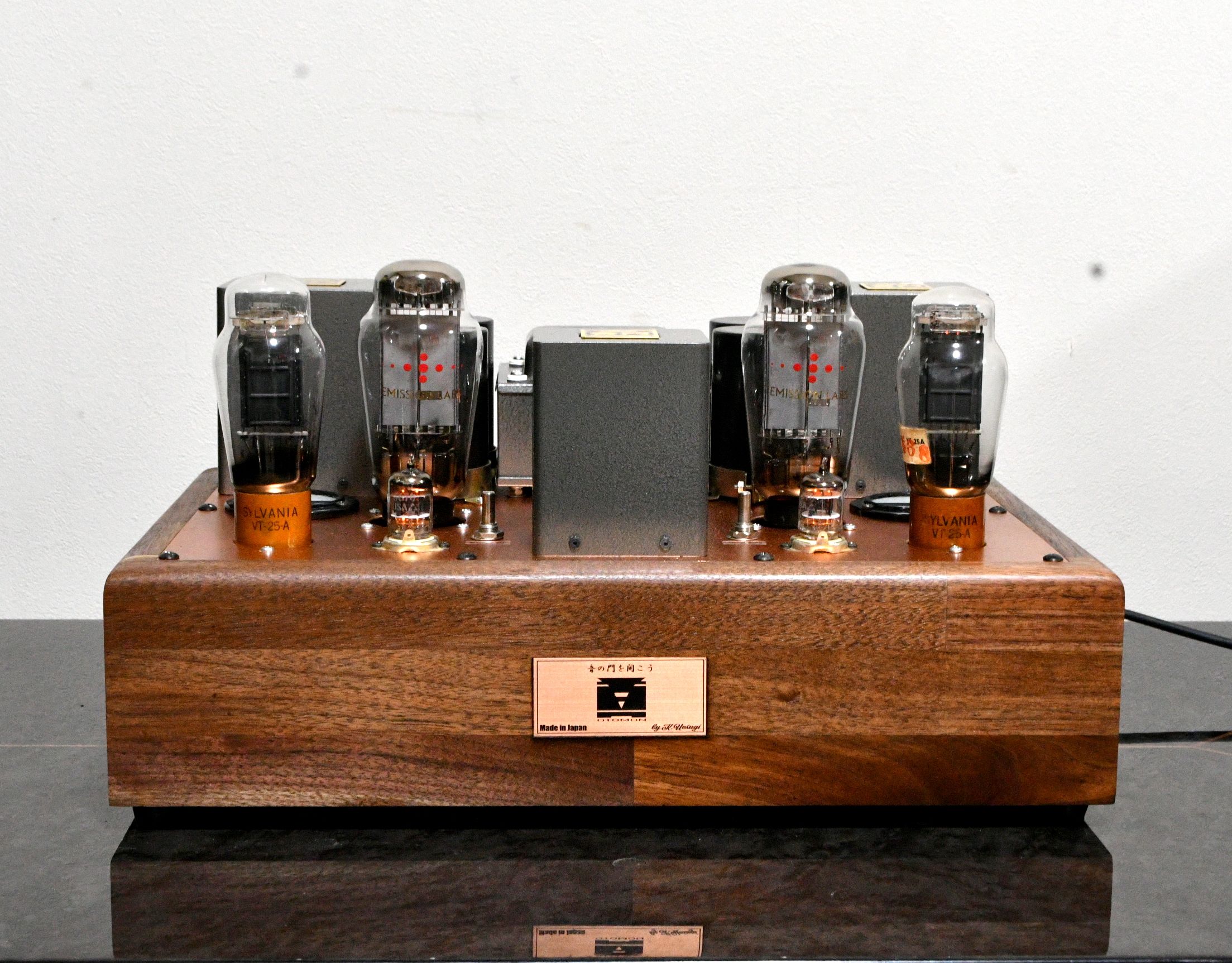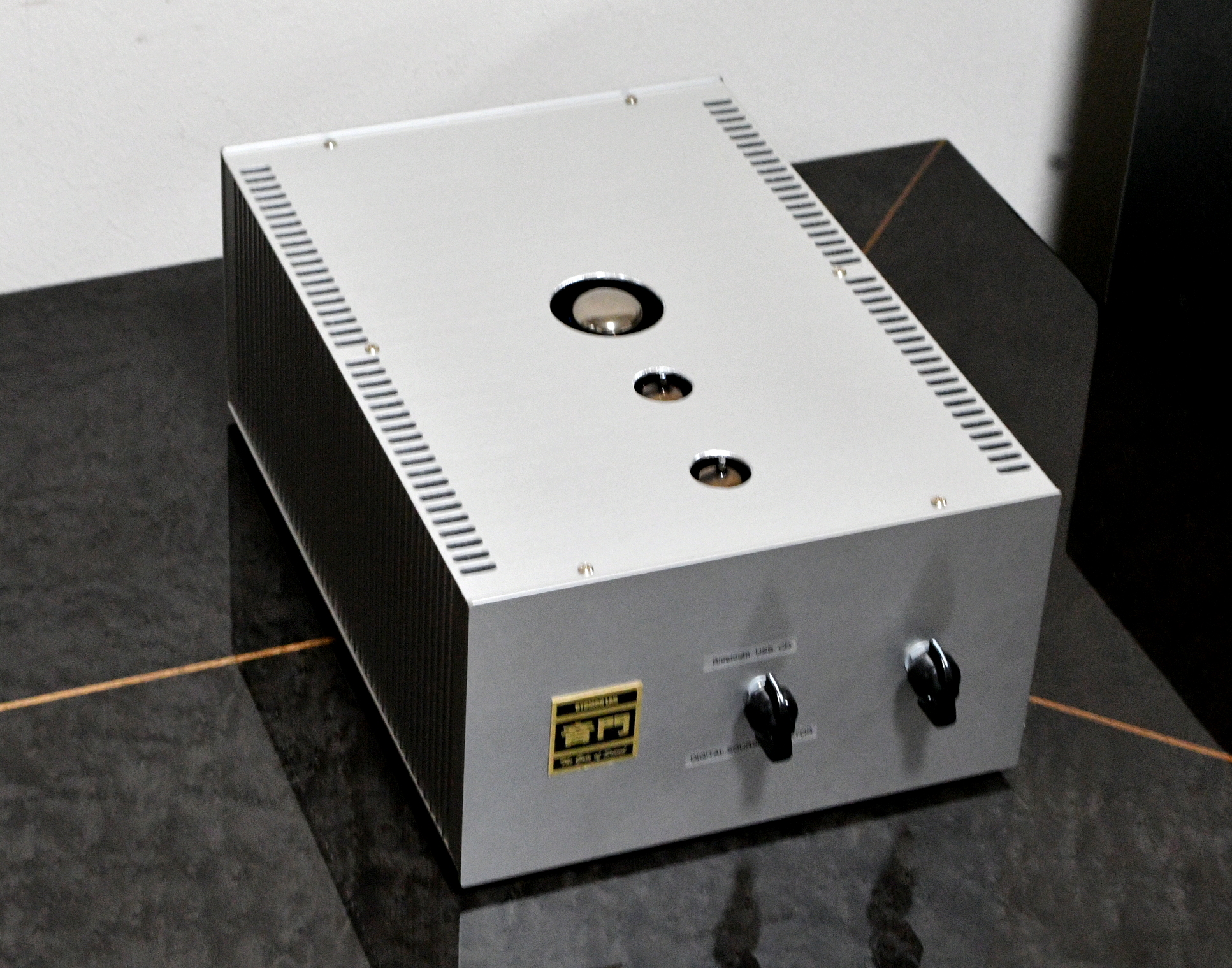
We can provide
power transformer which use for 117V, 120V, 220V, 230V, 240V.
YouTube channel > Otomon YouTube Channel
Facebook Channel: Otomon Vintage FB
YouTube channel > Otomon YouTube Channel
Facebook Channel: Otomon Vintage FB
I will give discount 10% or more for all item in my eBay listing, Contact Us for more detail
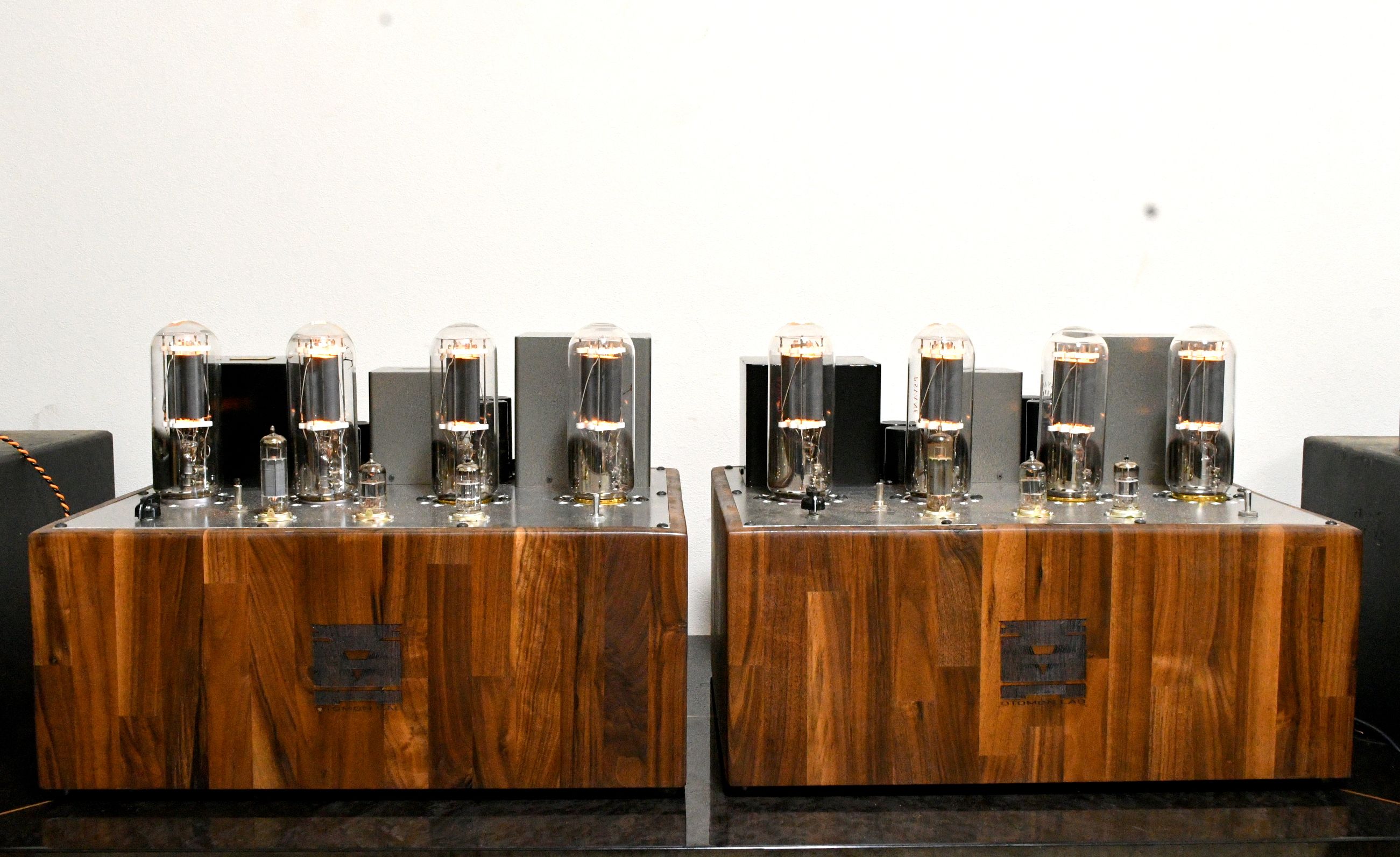
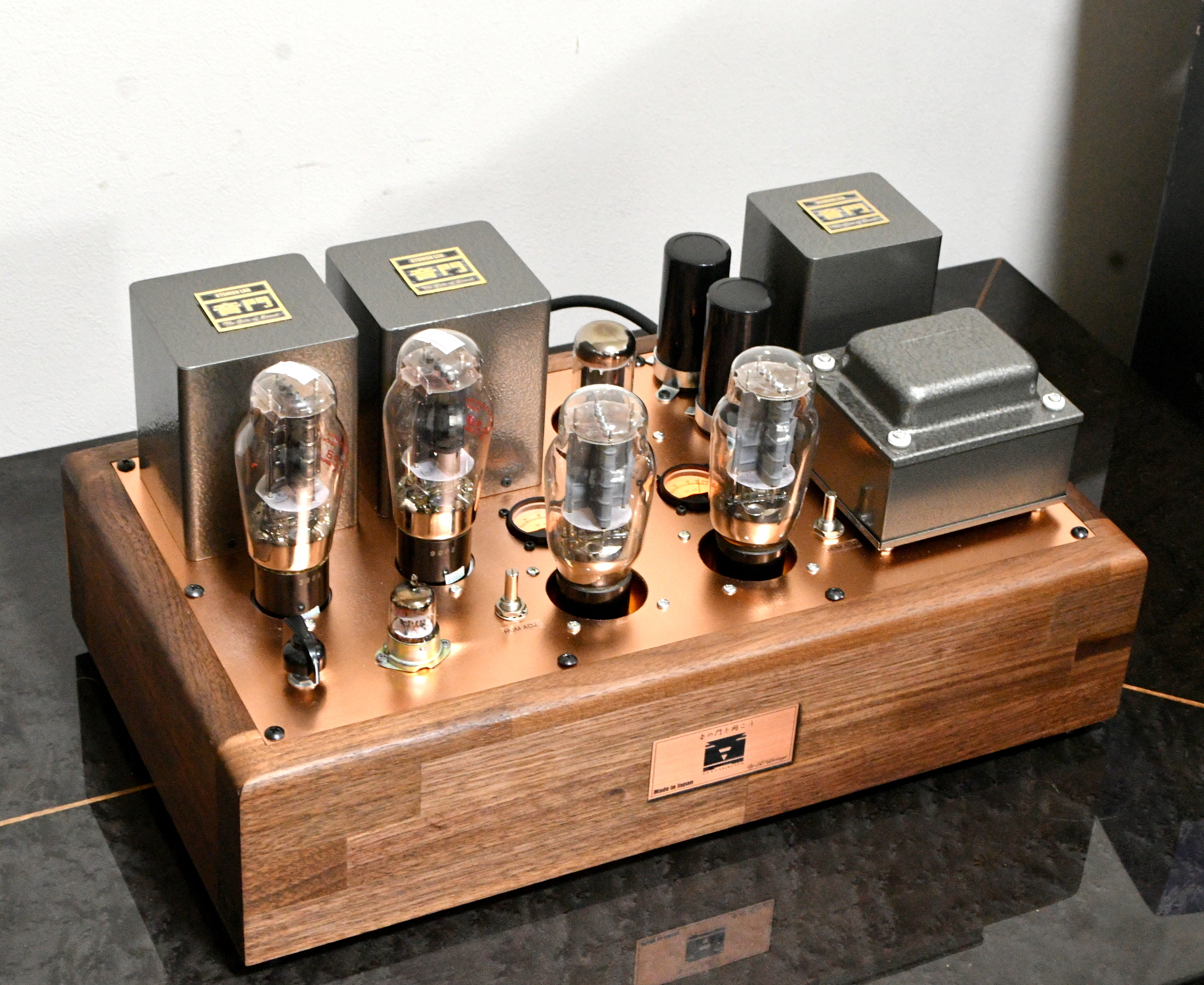
【OTOMON LAB】 300B drive 211 PSE amplifier class A 40W @ 8ohm
Technical data is just an improve that item was tested carefully before sending to customer. While our products consistently achieve good to excellent technical figures compared to commercial alternatives, those numbers serve only to confirm that the design contains no engineering errors.
We could, in most cases, apply active techniques to make the specifications look even more impressive — but if doing so strips away originality or musical character, we will not do it. Our aim is to build equipment that sounds beautiful, not equipment that measures beautifully.
At OTOMON, music is judged by the ear and no instrument can replicate the human 's ear.
We could, in most cases, apply active techniques to make the specifications look even more impressive — but if doing so strips away originality or musical character, we will not do it. Our aim is to build equipment that sounds beautiful, not equipment that measures beautifully.
At OTOMON, music is judged by the ear and no instrument can replicate the human 's ear.
A Year Spent on Circuit Design and Voicing:
A Monaural Power Amplifier Built Around the 211 Transmitting Tube
Sound That Transcends the Usual Boundaries of Tube Amps — High Signal-to-Noise Performance as the Defining Trait
Otomon is a tube-amplifier brand based in Sagamihara City, Kanagawa Prefecture. We've featured this brand's ultra-heavyweight amplifiers built around large transmitting tubes before, and this time we want to take a deep dive into another amplifier that shows the same dedication: an A-class monaural single-ended power amp built around the large transmitting tube 211.
The advantage of a single-ended design using large transmitting tubes such as the 211 or 845 is that it lets the amplifier draw high output power while making the most of the honest, highly transparent sound that directly-heated triodes are known for. This unit, too, achieves 25W of output from a single-ended 211 stage.
The first and driver stages each use one German-made C3g pentode, with a 5R4GW used for rectification. The top chassis houses a large oil capacitor rated at 1000V withstand voltage. The driver stage is designed to pass a large current, which is how the design achieves the 211's maximum output. By separating the power-supply section from the signal path, residual noise is held to 0.2mV — delivering, according to the maker, a high signal-to-noise sound that goes beyond what's typically expected of a tube amplifier. A small amount of negative feedback (NFB) is applied, but a switch is provided to disable feedback entirely, so listeners can also enjoy the straight, unadorned tone of the 211 on its own.
Listening Impressions
For the listening test, B&W's 803 D3 speakers were used, and the amplifier produced a sound with plenty of stability and composure. Its character is spacious, low-center-of-gravity, and well-planted — a settled, secure sound.
A Monaural Power Amplifier Built Around the 211 Transmitting Tube
Sound That Transcends the Usual Boundaries of Tube Amps — High Signal-to-Noise Performance as the Defining Trait
Otomon is a tube-amplifier brand based in Sagamihara City, Kanagawa Prefecture. We've featured this brand's ultra-heavyweight amplifiers built around large transmitting tubes before, and this time we want to take a deep dive into another amplifier that shows the same dedication: an A-class monaural single-ended power amp built around the large transmitting tube 211.
The advantage of a single-ended design using large transmitting tubes such as the 211 or 845 is that it lets the amplifier draw high output power while making the most of the honest, highly transparent sound that directly-heated triodes are known for. This unit, too, achieves 25W of output from a single-ended 211 stage.
The first and driver stages each use one German-made C3g pentode, with a 5R4GW used for rectification. The top chassis houses a large oil capacitor rated at 1000V withstand voltage. The driver stage is designed to pass a large current, which is how the design achieves the 211's maximum output. By separating the power-supply section from the signal path, residual noise is held to 0.2mV — delivering, according to the maker, a high signal-to-noise sound that goes beyond what's typically expected of a tube amplifier. A small amount of negative feedback (NFB) is applied, but a switch is provided to disable feedback entirely, so listeners can also enjoy the straight, unadorned tone of the 211 on its own.
Listening Impressions
For the listening test, B&W's 803 D3 speakers were used, and the amplifier produced a sound with plenty of stability and composure. Its character is spacious, low-center-of-gravity, and well-planted — a settled, secure sound.
The use of pentodes in the first/driver stage seems to lend the sound a strong sense of image presence, along with a firm, resinous quality in the low-mid range. Beyond the clean, open transparency typical of directly-heated tubes and the powerful image portrayal unique to transmitting tubes, the amp also renders orchestral instruments with lively, vivid articulation — individual instrument textures come through clearly, with good separation. Orchestral passages come across as rich and fully driven, giving an overall impression that is calm and composed. Jazz horn sections come through fast, crisp, and highly transparent. Vocals are rendered with a fresh, vivid touch, and the singer's mouth shape emerges three-dimensionally with a cool yet "wet" quality. The rhythm section's sense of drive is also excellent. Switching NFB on tightens up the low end further. Overall, this is an amplifier that pairs well with modern speakers, with an open, expansive sound as its calling card.
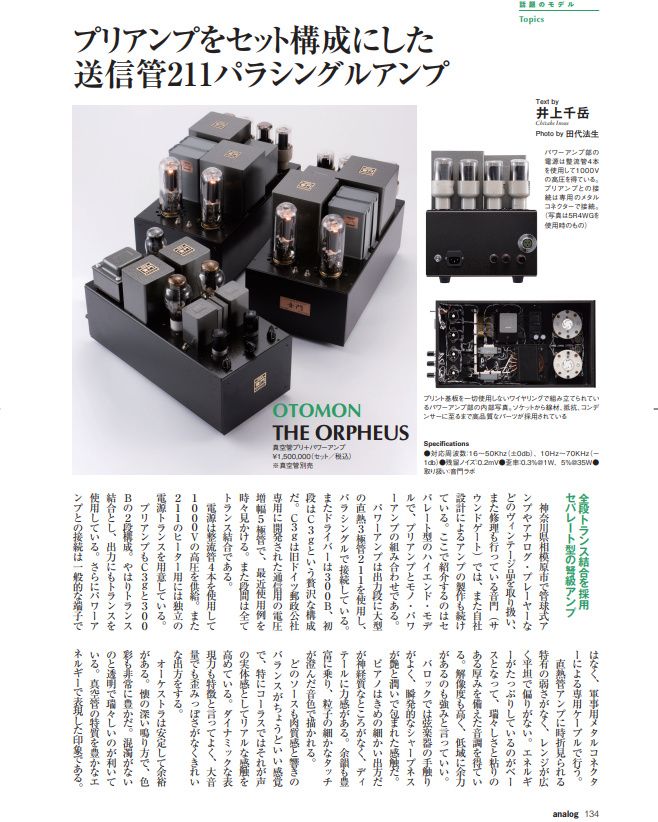
OTOMON — THE ORPHEUS
Vacuum-tube preamplifier + power amplifier — 12000USD (set, tax included) * Vacuum tubes sold separately
Specifications
Frequency response: 16 – 50KHz (±0dB), 10Hz – 70KHz (-1dB)
Residual noise: 0.2mV
Distortion: 0.3% @ 1W, 5% @ 35W
Distributor: Otomon Laboratory (音門ラボ)


The Other Same Items
Newest Items In Same Category