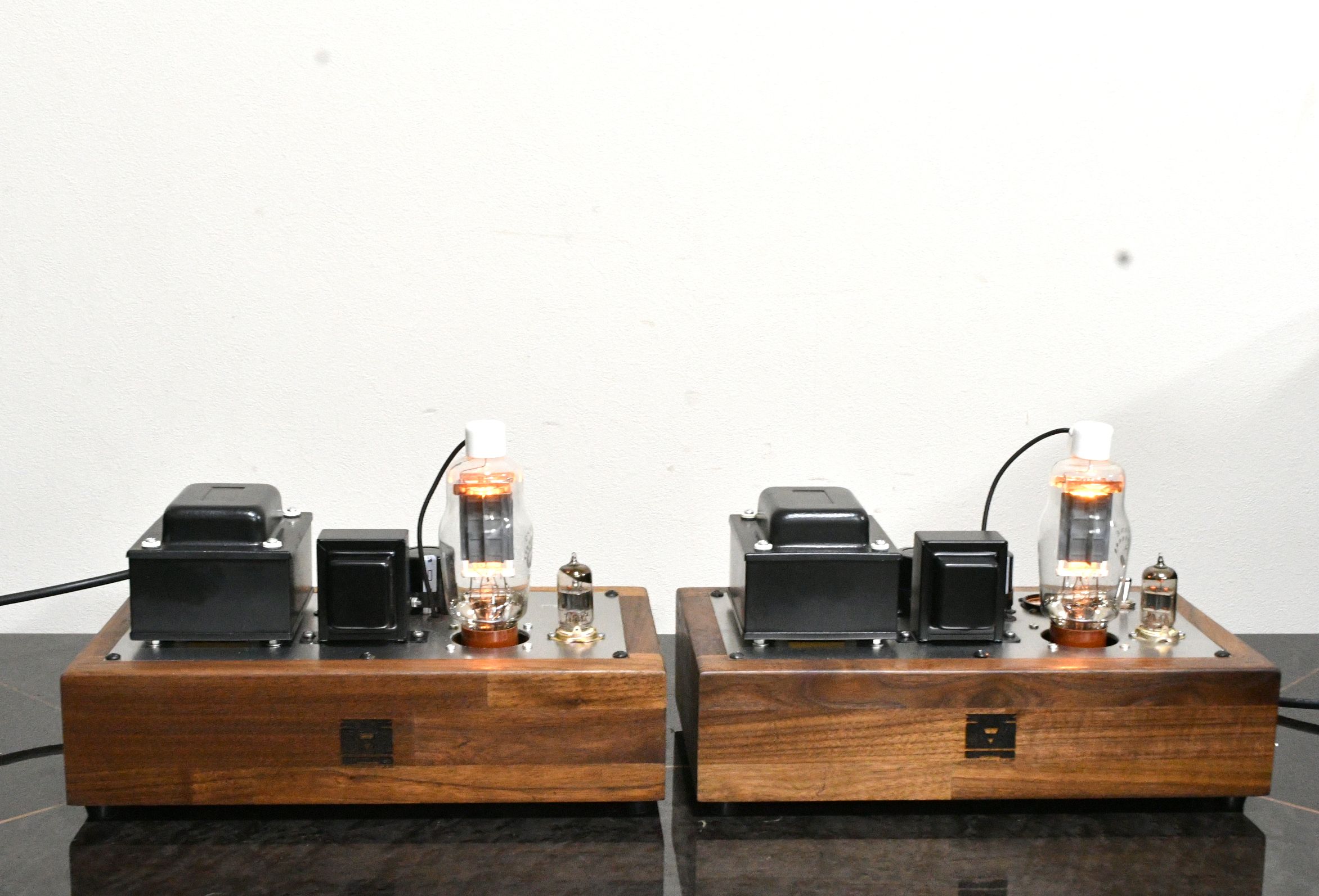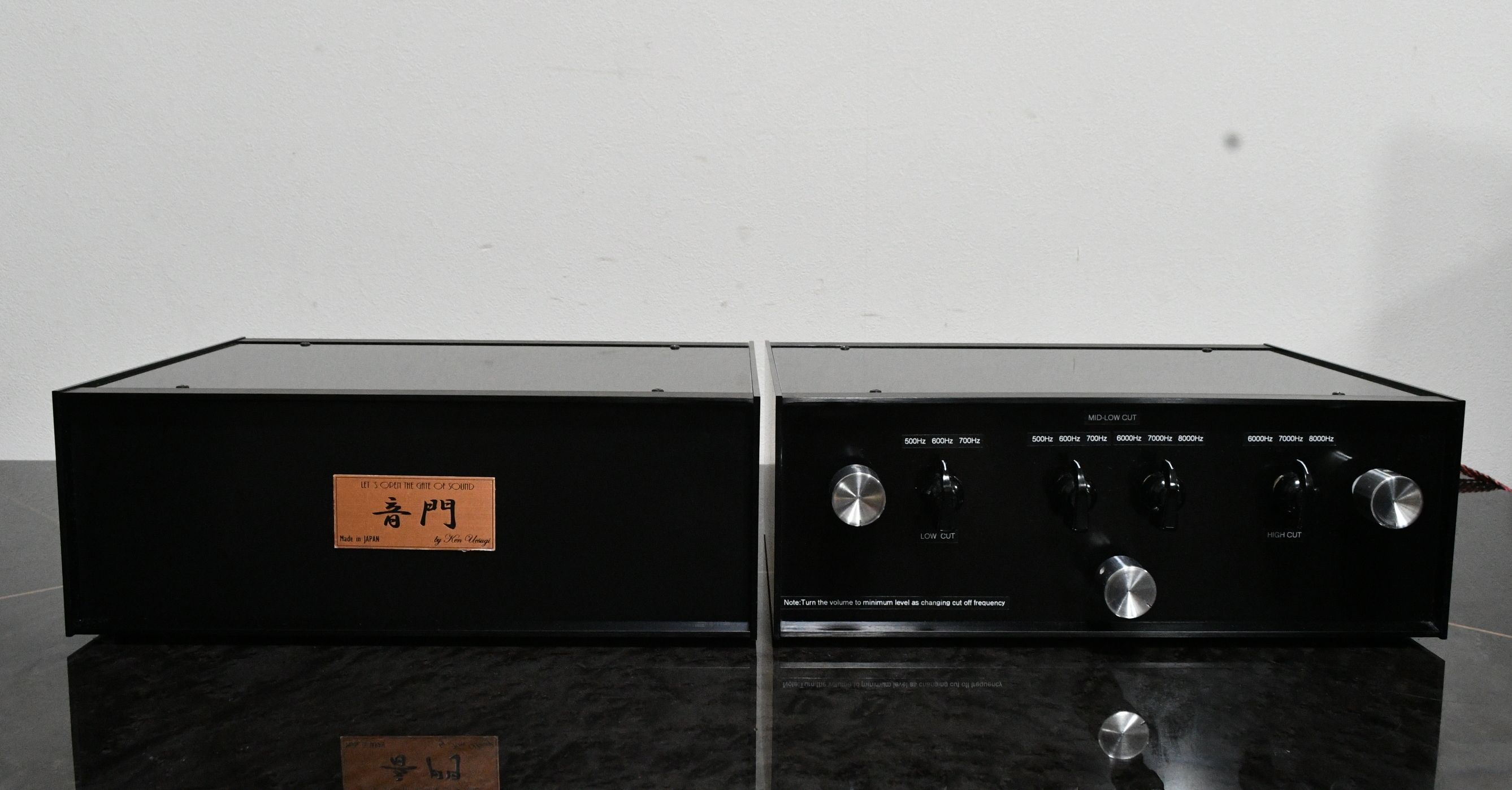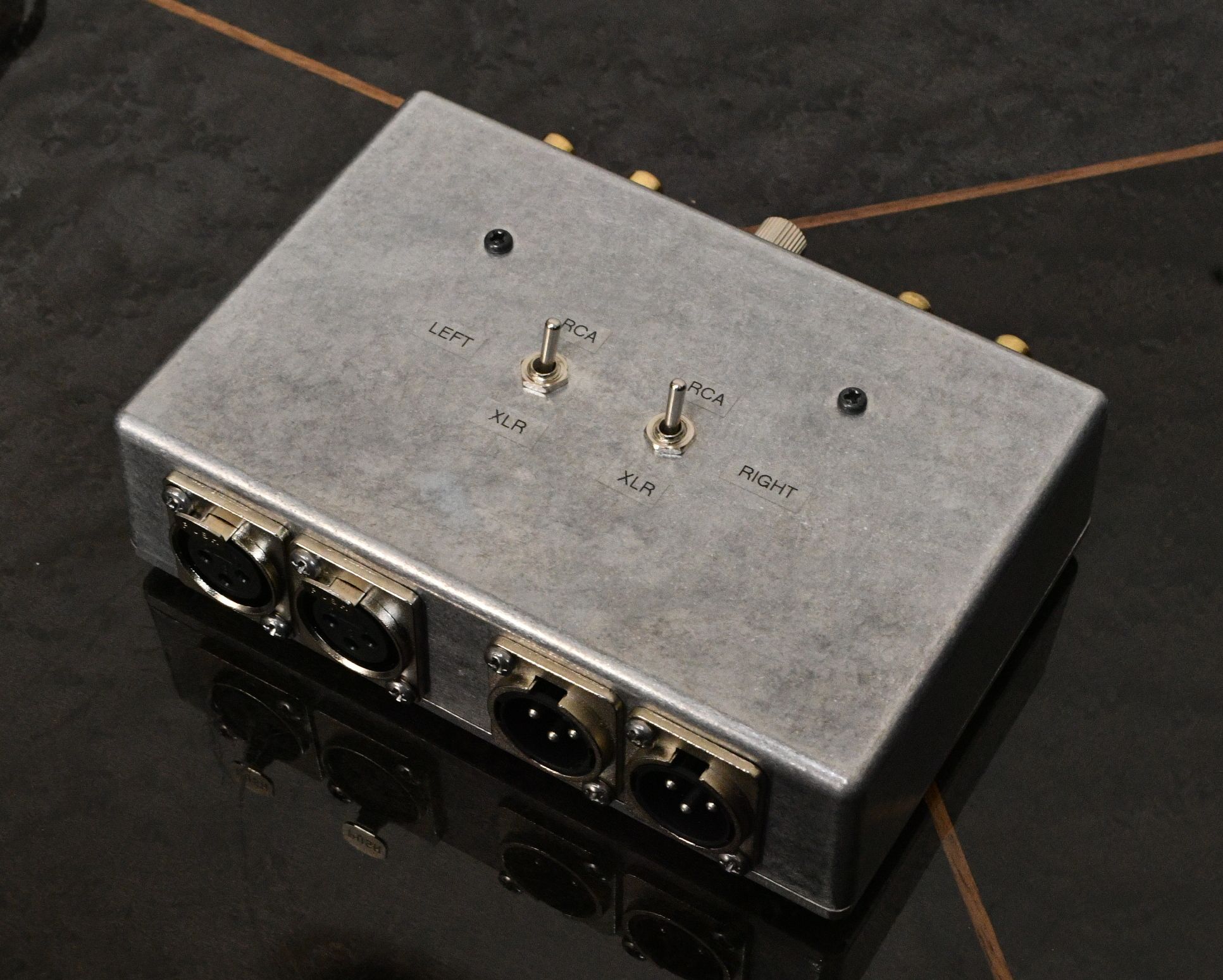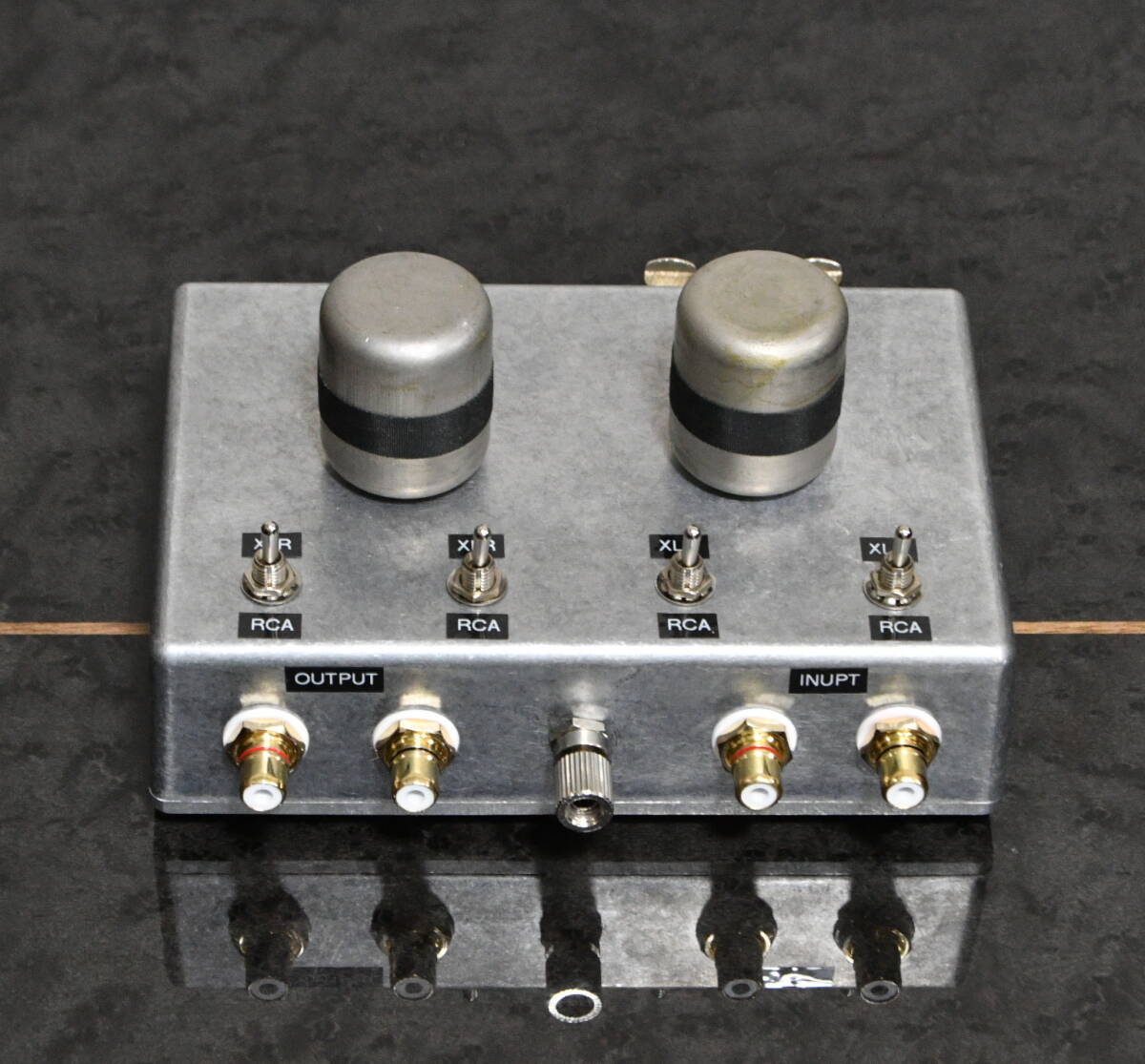
We can provide
power transformer which use for 117V, 120V, 220V, 230V, 240V.
YouTube channel > Otomon YouTube Channel
Facebook Channel: Otomon Vintage FB
YouTube channel > Otomon YouTube Channel
Facebook Channel: Otomon Vintage FB
I will give discount 10% or more for all item in my eBay listing, Contact Us for more detail
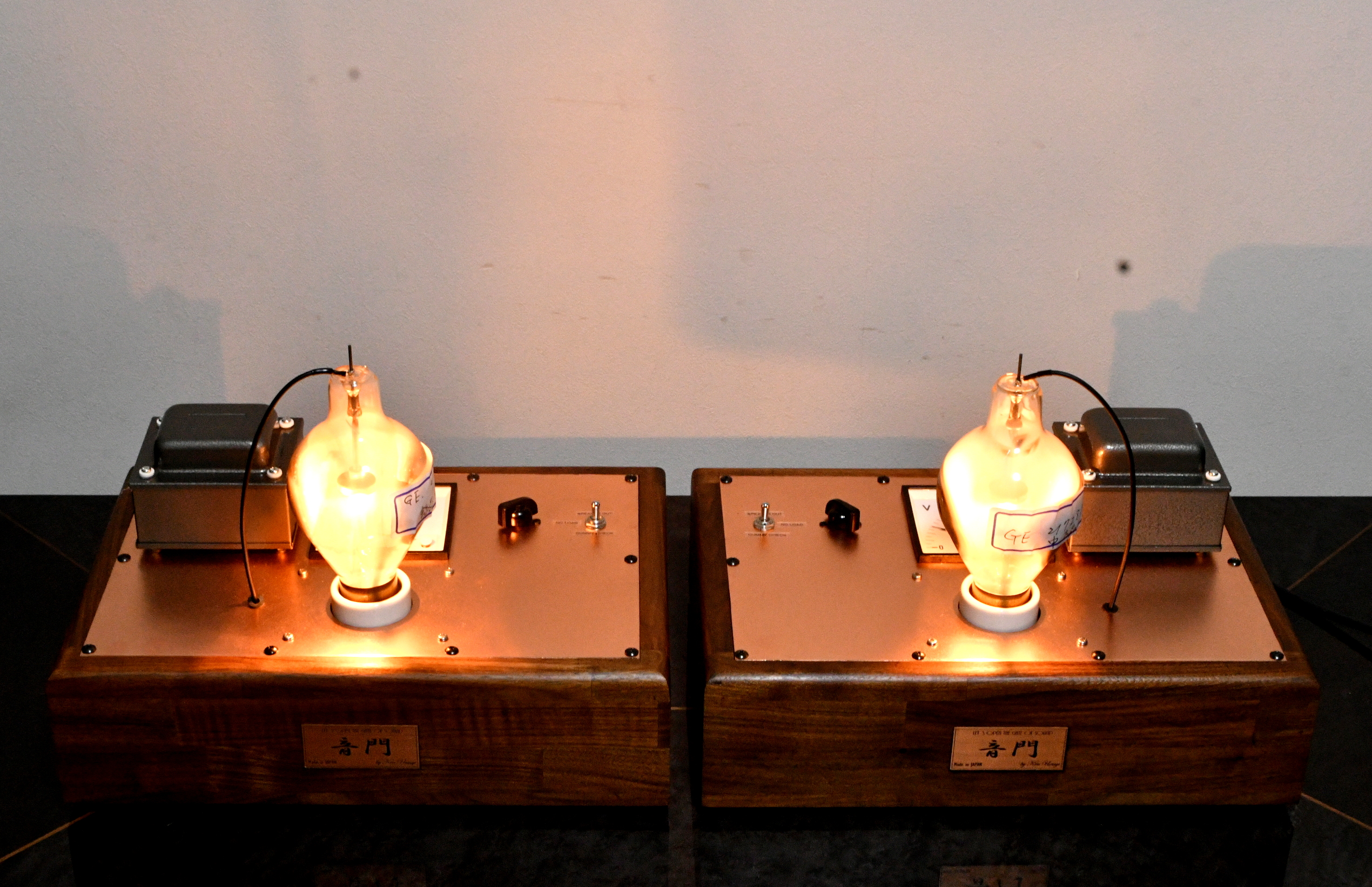
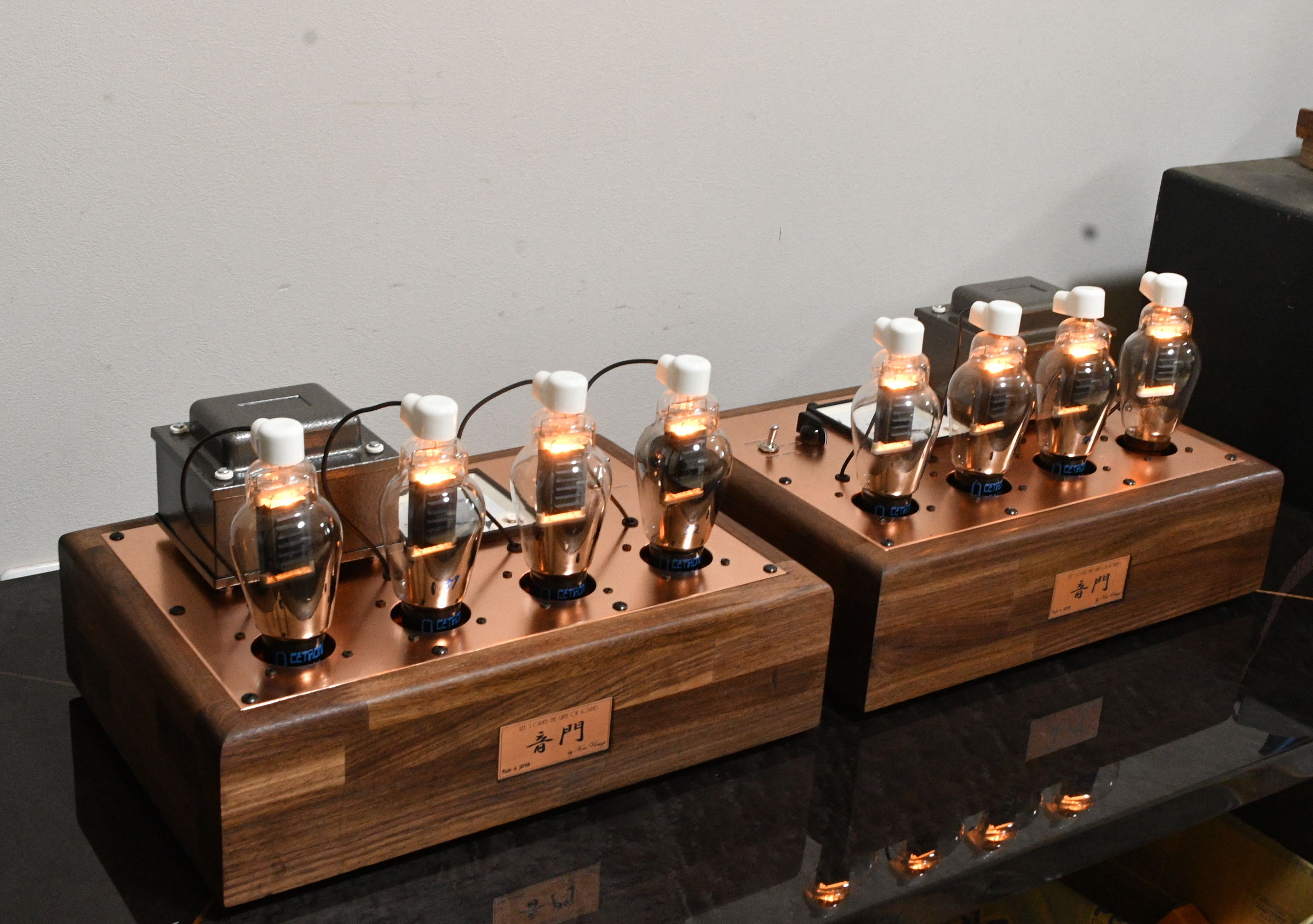
Tube regulator power supply for Jensen A-12, P232 field coil speakers
Technical data is just an improve that item was tested carefully before sending to customer. While our products consistently achieve good to excellent technical figures compared to commercial alternatives, those numbers serve only to confirm that the design contains no engineering errors.
We could, in most cases, apply active techniques to make the specifications look even more impressive — but if doing so strips away originality or musical character, we will not do it. Our aim is to build equipment that sounds beautiful, not equipment that measures beautifully.
At OTOMON, music is judged by the ear and no instrument can replicate the human 's ear.
We could, in most cases, apply active techniques to make the specifications look even more impressive — but if doing so strips away originality or musical character, we will not do it. Our aim is to build equipment that sounds beautiful, not equipment that measures beautifully.
At OTOMON, music is judged by the ear and no instrument can replicate the human 's ear.
Tube regulator power supply for Jensen A-12, P232 field coil speakers
At Onmon Lab, we developed power supply using 811A and 6DJ8 vacuum tubes, operating as a current regulator. Both units provide an output of 12W each.
Compared to using rectifier tubes, this design ensures superior current stability, allowing the speaker’s performance to be fully realized.
Why Stabilize Current Instead of Voltage?
Flux density depends directly on current, not voltage.
Formula: B ∝ I × N (N = number of coil turns). The sensitivity, damping factor, and the entire tonal character of a field coil speaker depend on the magnetic field strength in the gap — that is, on the current flowing through the field coil, not the voltage applied to it.
Coil resistance changes with temperature.
Copper wire has a positive temperature coefficient of resistance (~0.39%/°C). As the speaker runs for extended periods, the field coil heats up → resistance increases → if a fixed voltage source is used, the current will gradually decrease over time → flux density drops → sensitivity and tonal character shift during use (typically becoming weaker, "duller").
With a current-regulated source, no matter how much the coil resistance changes due to heat, the current is always held constant → flux density remains stable → the sound stays consistent from cold start through warm-up.
Why Are Vacuum Tubes Superior to Resistors?
While resistors and capacitors alone can produce the desired voltage, resistors—like coils—generate heat during operation. This increases DCR, reducing current flow to the coil.
Vacuum tubes, however, exhibit minimal temperature drift after warm-up and negligible voltage drop. By combining tubes, we ensure stable output current, with voltage dynamically adjusting to DCR fluctuations.
The listed price includes vacuum tubes. We can also provide dual high-voltage or dual low-voltage configurations—feel free to inquire.
At Onmon Lab, we developed power supply using 811A and 6DJ8 vacuum tubes, operating as a current regulator. Both units provide an output of 12W each.
Compared to using rectifier tubes, this design ensures superior current stability, allowing the speaker’s performance to be fully realized.
Why Stabilize Current Instead of Voltage?
Flux density depends directly on current, not voltage.
Formula: B ∝ I × N (N = number of coil turns). The sensitivity, damping factor, and the entire tonal character of a field coil speaker depend on the magnetic field strength in the gap — that is, on the current flowing through the field coil, not the voltage applied to it.
Coil resistance changes with temperature.
Copper wire has a positive temperature coefficient of resistance (~0.39%/°C). As the speaker runs for extended periods, the field coil heats up → resistance increases → if a fixed voltage source is used, the current will gradually decrease over time → flux density drops → sensitivity and tonal character shift during use (typically becoming weaker, "duller").
With a current-regulated source, no matter how much the coil resistance changes due to heat, the current is always held constant → flux density remains stable → the sound stays consistent from cold start through warm-up.
Why Are Vacuum Tubes Superior to Resistors?
While resistors and capacitors alone can produce the desired voltage, resistors—like coils—generate heat during operation. This increases DCR, reducing current flow to the coil.
Vacuum tubes, however, exhibit minimal temperature drift after warm-up and negligible voltage drop. By combining tubes, we ensure stable output current, with voltage dynamically adjusting to DCR fluctuations.
The listed price includes vacuum tubes. We can also provide dual high-voltage or dual low-voltage configurations—feel free to inquire.
$1,200.00
The Other Same Items
Newest Items In Same Category